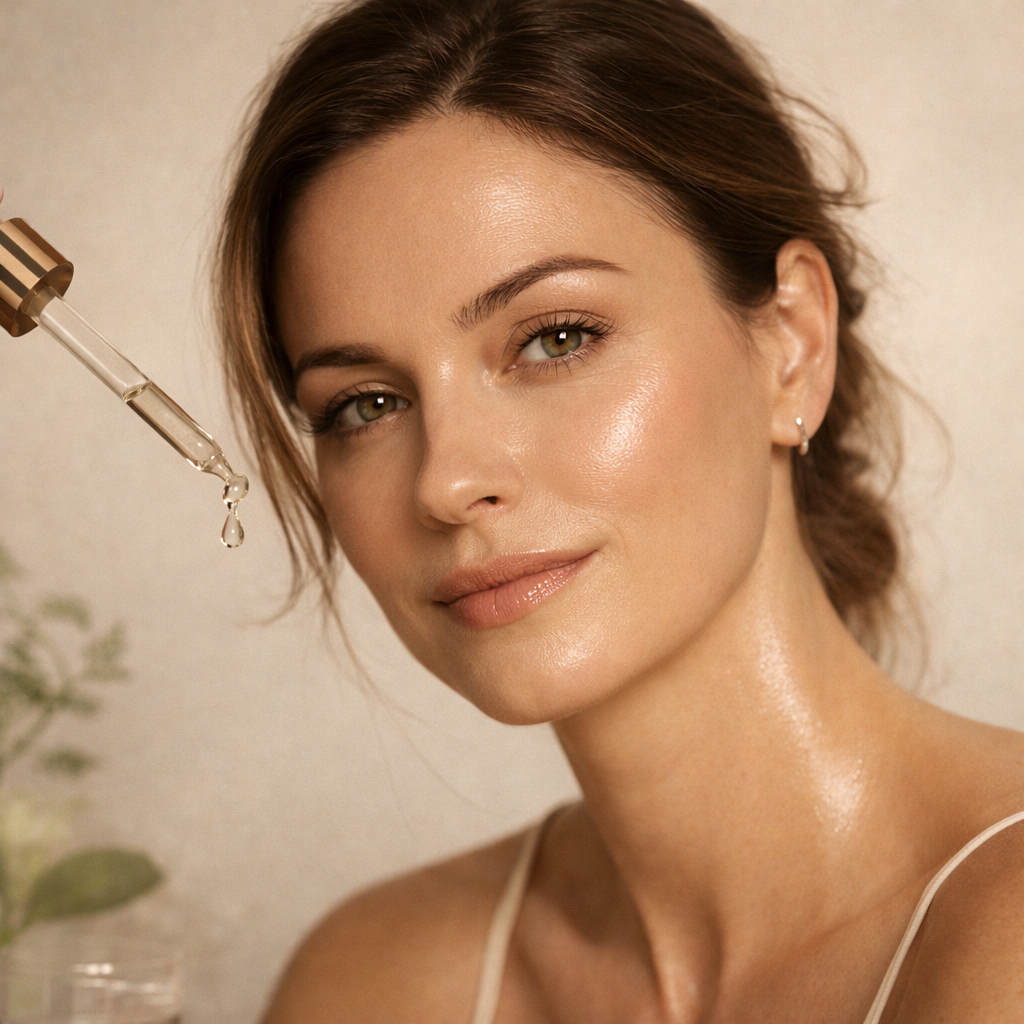
Oily Skin Treatment: Regulate, Don’t Strip
Oily Skin Care: How to Balance Sebum Without Damaging Your Barrier
Oily skin is often misunderstood.
It’s not “dirty.”
It’s not “poor hygiene.”
And it does not need to be aggressively stripped.
In fact, many oily skin concerns are made worse by routines that attempt to dry the skin into submission.
At SkinRequisite, we approach oily skin through physiology — not panic.
What Causes Oily Skin?
Oily skin occurs when sebaceous glands produce excess sebum. Sebum itself is not the enemy — it plays an essential role in:
-
Protecting the skin barrier
-
Preventing transepidermal water loss
-
Delivering antioxidants to the surface
-
Maintaining flexibility
The issue arises when sebum production becomes dysregulated.
Common contributors include:
-
Genetics
-
Hormonal fluctuations
-
High androgen levels
-
Over-cleansing
-
Barrier damage
-
Inflammation
-
High-glycemic diets
-
Stress
Ironically, the more aggressively oily skin is stripped, the more reactive and imbalanced it can become.
The Mistake: Over-Drying


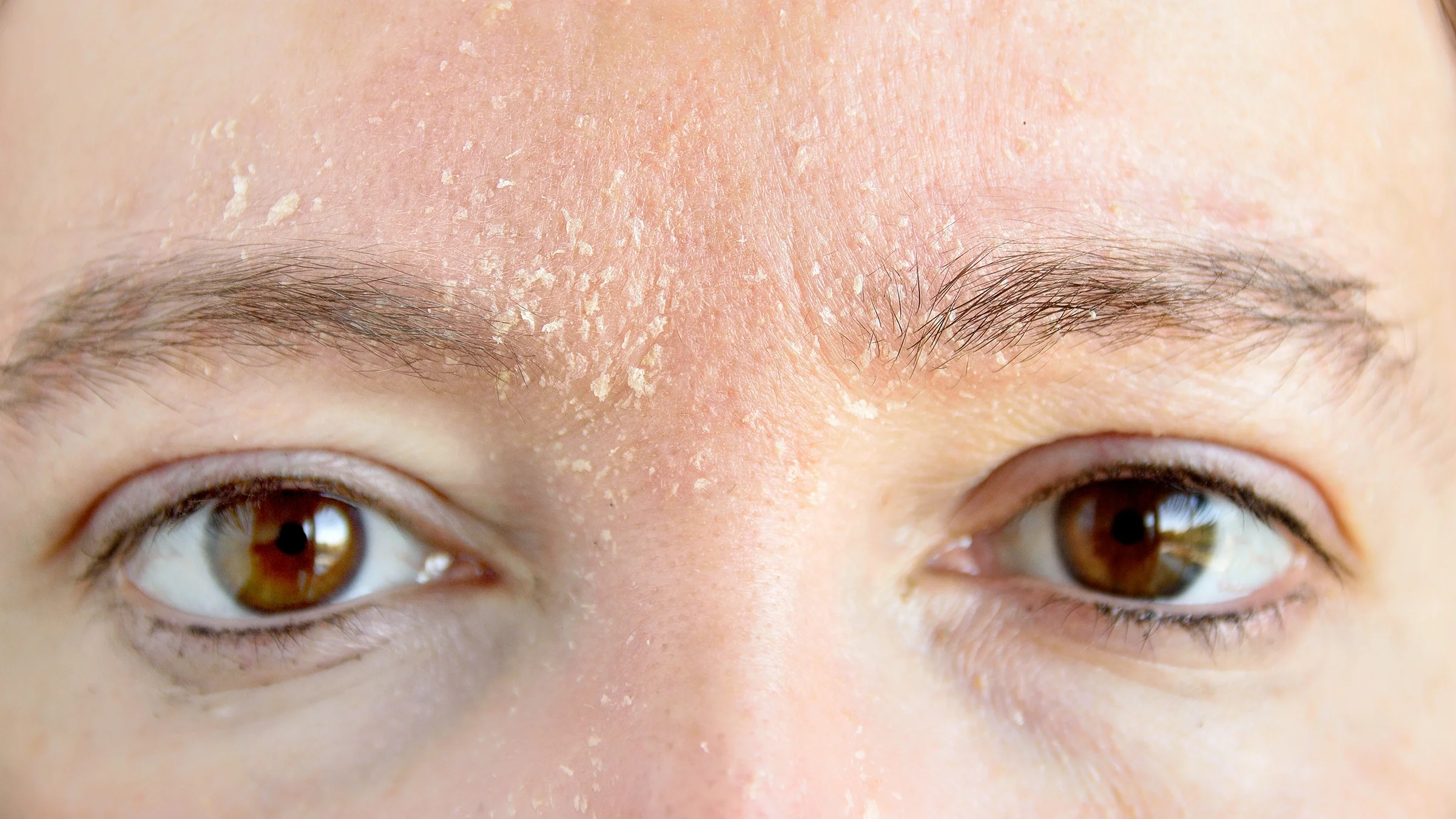
Many oily-skin routines rely on:
-
Harsh foaming cleansers
-
Alcohol-based toners
-
High-percentage exfoliating acids
-
Clay masks used daily
Initially, skin feels matte.
Long-term, the barrier weakens.
When the barrier is compromised:
-
Water loss increases
-
Inflammation rises
-
Sebum production may rebound
-
Breakouts become more frequent
Balanced skin regulates oil better than stripped skin.
Understanding Sebum vs Hydration
Oil and hydration are not the same thing.
You can have:
-
Oily + dehydrated skin
-
Oily + inflamed skin
-
Oily + sensitive skin
When skin lacks water, it often compensates by producing more oil.
Hydration reduces reactive oil production.
The Barrier-First Approach to Oily Skin
1. Gentle Cleansing (Twice Daily)
Choose low-foam, pH-balanced cleansers that remove debris without disrupting lipid balance.
Look for:
-
Mild surfactants
-
Soothing botanicals
-
No high-alcohol content
Over-cleansing stimulates more oil production.
2. Strategic Exfoliation (Not Daily)
Chemical exfoliants can be helpful — when used intelligently.
-
Salicylic acid penetrates into pores
-
Glycolic acid refines surface texture
-
Niacinamide regulates sebum production
But frequency matters more than strength.
For most oily skin types:
2–4 times per week is sufficient.
3. Don’t Skip Moisturizer
This is where many routines fail.
Lightweight, non-comedogenic moisturizers help:
-
Reduce transepidermal water loss
-
Calm inflammation
-
Improve tolerance to actives
-
Support lipid balance
Ingredients to look for:
-
Hyaluronic acid
-
Panthenol
-
Ceramides
-
Zinc
-
Niacinamide
Hydrated skin overproduces less oil.
4. Antioxidant Protection
Oily skin is often more prone to inflammation and post-acne pigmentation.
Daily antioxidants help:
-
Neutralize oxidative stress
-
Reduce inflammatory cascades
-
Support collagen integrity
Vitamin C and CoQ10 are particularly supportive for oily but aging-prone skin.
5. Mineral SPF (Daily)
Oily skin still ages.
Zinc oxide-based sunscreens:
-
Help reduce inflammation
-
Offer broad UVA protection
-
Are generally well tolerated by acne-prone skin
Skipping SPF accelerates both oil-driven inflammation and premature aging.
What About Blotting, Powders & Mattifying Primers?
Temporary solutions are fine for cosmetic control.
But chronic over-mattifying can:
-
Disrupt barrier function
-
Increase rebound oil
-
Encourage more aggressive cleansing
Balance first. Mattify second.
Diet & Lifestyle Considerations
While skincare matters, systemic factors influence sebum:
-
High sugar intake can increase insulin signaling
-
Chronic stress elevates cortisol
-
Poor sleep affects hormonal regulation
Skin reflects internal equilibrium.
The Truth About Oily Skin
Oily skin is not a flaw — it is often resilient and ages more slowly due to natural lipid content.
The goal is not elimination of oil.
It is regulation.
When the barrier is supported:
-
Oil normalizes
-
Breakouts reduce
-
Texture improves
-
Inflammation calms
And skin looks refined — not stripped.

Written by Kamila Starczewska


Leave a comment
This site is protected by hCaptcha and the hCaptcha Privacy Policy and Terms of Service apply.