Inflammaging: The Hidden Cause of Premature Aging
We often blame wrinkles on time.
But chronological aging alone does not fully explain structural skin decline.
Chronic, low-grade inflammation — even when clinically silent — plays a central role in collagen degradation, elastin fragmentation, and pigment dysregulation.¹
This process is known as inflammaging.
It is gradual.
It is cumulative.
And it is one of the most overlooked accelerators of premature skin aging.
What Is Inflammaging?
The term “inflammaging” was originally introduced to describe persistent, systemic low-grade inflammation associated with aging.²
In skin, inflammaging refers to ongoing inflammatory signaling within the dermis and epidermis that accelerates structural breakdown.
Unlike acute inflammation (e.g., sunburn), inflammaging is:
-
Subclinical
-
Chronic
-
Oxidative in nature
-
Enzymatically destructive
Collagen degradation may begin long before wrinkles are visible.
How Inflammation Accelerates Structural Decline

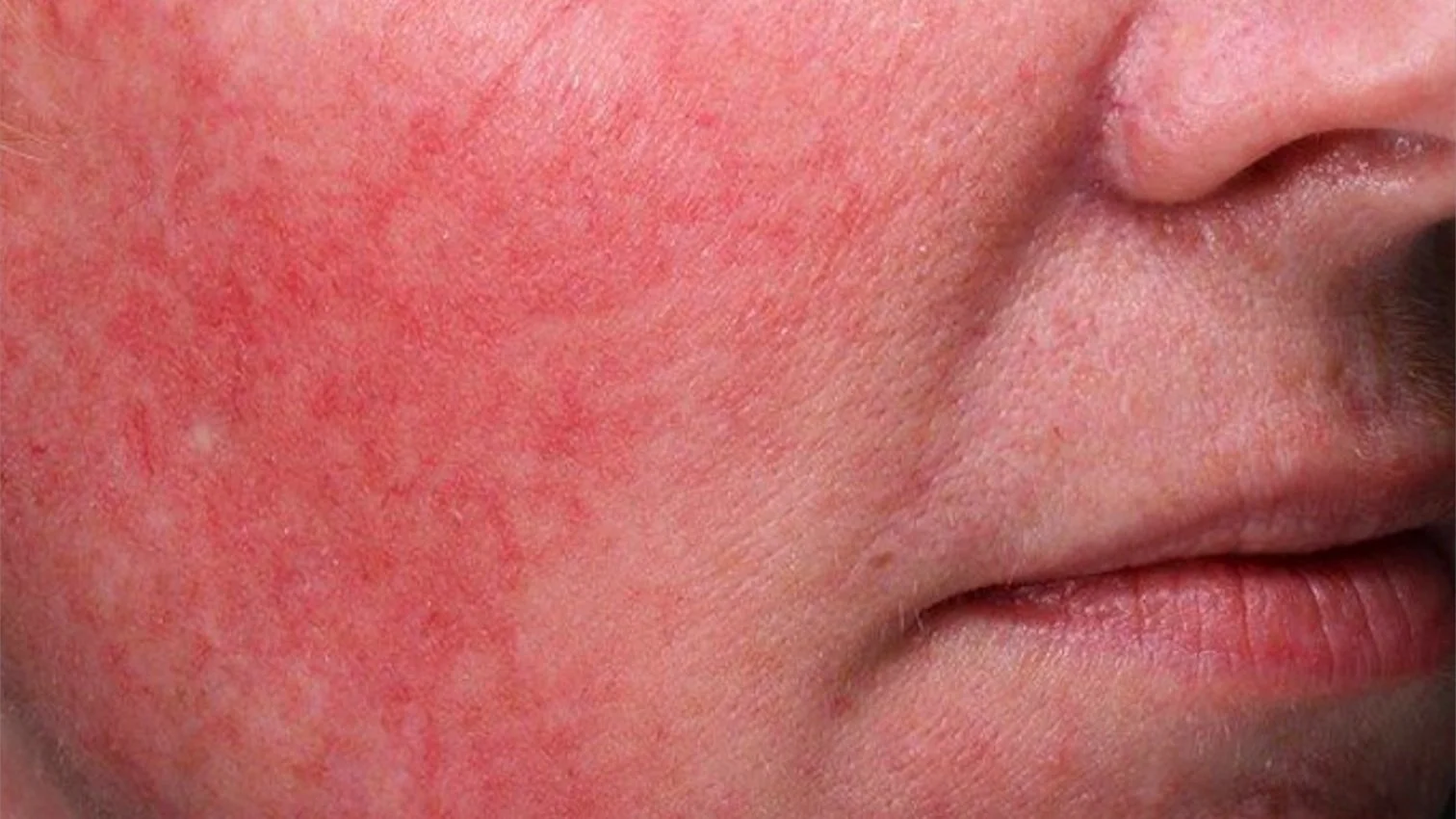

Chronic inflammatory signaling increases the production of:
-
Interleukin-1 (IL-1)
-
Tumor necrosis factor-alpha (TNF-α)
-
Reactive oxygen species (ROS)³
These mediators activate matrix metalloproteinases (MMPs) — enzymes that degrade collagen and elastin fibers.⁴
Simultaneously, fibroblast function becomes impaired, reducing new collagen synthesis.⁵
The net result:
Collagen breakdown outpaces repair.
Key Drivers of Cutaneous Inflammaging
Inflammaging rarely arises from one factor alone. It results from repeated micro-insults.
1️⃣ UV Radiation (Especially UVA1)
Long-wave UVA penetrates deeply into the dermis and generates oxidative stress, leading to MMP activation and collagen fragmentation.⁶
Photoaging is now understood as a major contributor to inflammaging.⁷
2️⃣ Barrier Disruption
Compromised barrier function increases transepidermal water loss (TEWL) and amplifies pro-inflammatory cytokine signaling.⁸
Repeated irritation — even from skincare — may perpetuate chronic inflammatory pathways.
3️⃣ Pollution & Environmental Stressors
Particulate matter and environmental toxins increase oxidative burden and activate aryl hydrocarbon receptor pathways associated with inflammation.⁹
4️⃣ Glycation
Advanced glycation end products (AGEs) form when excess sugars bind to collagen, reducing elasticity and increasing inflammatory susceptibility.¹⁰
5️⃣ Psychological Stress
Chronic cortisol elevation influences immune regulation and impairs barrier recovery.¹¹
Systemic inflammation often manifests cutaneously.
Early Clinical Signs of Inflammaging
Before deep wrinkles form, subtle signs may appear:
-
Persistent erythema
-
Uneven tone
-
Sensitivity
-
Slower wound healing
-
Reduced elasticity
These represent inflammatory dysregulation, not simply cosmetic changes.
Why Aggressive Anti-Aging Can Backfire
High-frequency exfoliation, excessive resurfacing, and overuse of actives may increase inflammatory cytokine production when barrier recovery is inadequate.¹²
Short-term smoothness does not equal long-term resilience.
Chronic stimulation without recovery perpetuates inflammatory signaling.
Counteracting Inflammaging: A Physiology-Based Strategy
Evidence supports a multi-layered approach:
✔ Broad-spectrum UV protection to reduce ROS generation⁶
✔ Topical antioxidants to neutralize oxidative stress³
✔ Barrier lipid restoration to reduce inflammatory signaling⁸
✔ Controlled exfoliation to avoid microtrauma
✔ Anti-inflammatory polyphenols and carotenoids to modulate immune response¹³
The objective is not to eliminate aging.
It is to prevent unnecessary inflammatory acceleration.
Clinical Takeaway
Inflammaging represents the intersection of oxidative stress, enzymatic collagen degradation, immune signaling, and barrier dysfunction.
It drives:
-
Wrinkle formation
-
Elasticity loss
-
Pigment irregularities
-
Structural thinning
Premature aging is often not chronological — it is inflammatory.
Managing micro-inflammation is one of the most powerful interventions in long-term skin health.
References
-
Xia S et al. Inflammaging and skin aging. Clin Dermatol.
-
Franceschi C et al. Inflammaging and immunosenescence. Ann N Y Acad Sci.
-
Briganti S, Picardo M. Oxidative stress and skin aging. J Eur Acad Dermatol Venereol.
-
Fisher GJ et al. Mechanisms of photoaging and MMP activation. Arch Dermatol.
-
Quan T et al. Fibroblast dysfunction in aging skin. J Invest Dermatol.
-
Scharffetter-Kochanek K et al. UVA-induced collagen degradation. Exp Gerontol.
-
Gilchrest BA. Photoaging. J Invest Dermatol.
-
Elias PM. Skin barrier function and inflammation. J Invest Dermatol.
-
Krutmann J et al. Pollution and skin aging. J Dermatol Sci.
-
Pageon H. Glycation and skin aging. Biochim Biophys Acta.
-
Arck PC et al. Stress and skin immune function. Exp Dermatol.
-
Draelos ZD. Irritation-induced barrier impairment. Dermatol Clin.
-
Pinnell SR. Antioxidants and photoprotection. J Am Acad Dermatol.

Written by Kamila Starczewska

Leave a comment
This site is protected by hCaptcha and the hCaptcha Privacy Policy and Terms of Service apply.